
Isse Maraà the Darker Alias Side of Dekova!

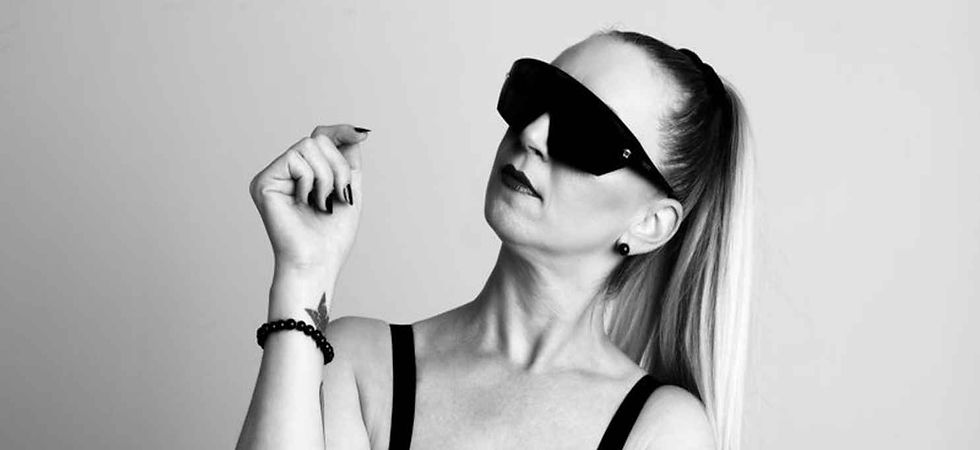
The underground has always made space for records that feel slightly displaced, as if they arrived from a frequency just outside the room. Codename 0092, scheduled for October 15 on Vizia Recordings, carries that kind of charge from the start. It comes attached to Isse Maraà, the darker and more experimental alias of Dekova, and that detail changes how the release asks to be heard.
An alias is never just a new name when the music uses it well. It can be a tunnel out of expectation. It can free an established producer from the habits listeners attach to their main identity. It can also sharpen a record’s atmosphere, giving it its own visual and emotional logic before the first kick lands.
Isse Maraà as Dekova’s underground alias, and that connection gives the track useful context. For listeners who already know Dekova’s other work, the point is not to treat Codename 0092 as a side note. The more interesting path is to hear it as a separate signal, built from distorted sound, hypnotic pads and melodies, vocoder vocals and detailed sound design.

An alias gives Dekova a different room to move in
Producer aliases matter because they create distance. That distance can be practical, aesthetic or psychological. It gives the artist a way to make decisions without dragging every past release into the room.
For Dekova, Isse Maraà appears to serve that kind of purpose. The name points toward an underground space where the sound can become colder, rougher and more unstable. That does not mean the music has to reject melody or structure. It means the track can prioritize pressure, texture and mood in ways that might not fit under the main project.
That is why Codename 0092 should not be reduced to a simple “darker version” label. Darkness in electronic music can mean many things. It can mean heavy low end. It can mean abrasive distortion. It can mean a tense melodic loop that refuses to resolve. It can mean a vocal that feels part human and part machine.
The press description gives a clear starting point: futuristic textures, electronic atmosphere and raw electro energy. Those words point toward a record concerned with motion and world-building at the same time. The best versions of this style do not only hit in a club setting. They also suggest a place, a machine, a corridor, a coded transmission.
That is where the alias becomes important. Isse Maraà allows the music to be judged by its own internal rules. A listener does not need to ask whether this is classic Dekova, expected Dekova or familiar Dekova. The more useful question is whether the track builds a convincing identity of its own.
Codename 0092 sounds built around signal and pressure
The title Codename 0092 already does some work. It suggests secrecy, machinery and coded access. It feels less like a standard track title and more like a file name, an operation or a transmission ID. That matters because electronic music often lives through suggestion. A few carefully chosen elements can frame the whole listening experience.
Here, the named ingredients point toward a track that values both atmosphere and impact.
Distorted sound gives the record a physical edge. It can make percussion feel corroded. It can turn a synth line into a warning system. It can make the mix feel unstable in a useful way, as if the track is pushing against its own casing.
Hypnotic pads and melodies suggest another layer. They pull the listener inward rather than simply forcing movement. Pads can create fog, depth and uneasy calm. A melody can become a repeating clue, something that stays in the mind after the drums cut out.
The vocoder vocals may be the most revealing detail. A processed voice carries a special tension because it sits between presence and disguise. It can sound intimate, but not fully human. It can act like a hook, a command or a texture in the room.
Detailed sound design ties these pieces together. In a track like this, small choices matter. A filter movement, a clipped transient, a distant metallic hit or a shifting vocal tone can shape the whole identity of the record. Raw electro energy gives it body, but the details give it character.

The vocoder may be the key to the track’s identity
A vocoder can do several jobs in electronic music. The role it plays shapes how a track feels. In Codename 0092, the detail is worth following closely because it may reveal whether the record is built around a voice, a rhythm or an atmosphere.
A processed voice can work as a hook. In that case, the listener returns to it the way they would return to a chorus line. It becomes the part that defines the track in memory. The words may be minimal, but the tone carries the message.
It can also work as a rhythmic pattern. Vocoder phrases often lock into the drums, turning syllables into percussive events. This can suit raw electro especially well, because the voice becomes another machine part inside the groove.
There is a third option, and it may be the most interesting one for a release framed around futuristic atmosphere. The vocoder can become environmental sound. It can blur into pads, static and synth movement until the listener stops treating it as a lead element. The voice becomes part of the architecture.
That distinction matters because “futuristic” can become a lazy description if the writing stops there. A track is not futuristic just because a vocal sounds robotic. The feeling comes from how the elements behave together. Does the voice guide the track? Does it interrupt it? Does it haunt it from the background? Does it sound like a person inside the machine, or the machine trying to imitate a person?
Those questions help explain the record more clearly than broad genre language can. They also fit the idea of Isse Maraà as an alias. If Dekova is using this identity to explore another edge of his sound, the vocal treatment may be one of the clearest signs of that shift.
Darker does not have to mean heavier
When an artist introduces a darker alias, there is a temptation to imagine everything becoming harder, faster or more aggressive. Codename 0092 seems more interesting than that. The available description points to a balance between impact and imagery.
Raw electro energy gives the track its physical line. That suggests crisp movement, machine rhythm and a sense of forward pressure. Electro can feel skeletal and direct. It often leaves space around its hits, which makes its details stand out. A snare does not need to be huge if the groove is sharp enough. A bass movement does not need to be crowded if it has the right shape.
The atmospheric side works differently. Hypnotic pads and melodies can make a track feel suspended. They create a mental space around the beat. If the drums are the body, the pads are the room the body moves through.
That tension is often where darker electronic records become memorable. They do not rely only on aggression. They create unease through contrast. A soft pad can make a distorted bass feel harsher. A clean melodic phrase can make a processed vocal sound more alien. A steady groove can make a strange texture feel even stranger because it has something solid to rub against.
This is why the darker side of Dekova should be understood through arrangement, texture and movement rather than through mood words alone. If Isse Maraà has a clear identity, it will live in those choices.

The release fits a long underground tradition
Codename 0092 belongs to a familiar but still fertile idea in underground electronic music: the track as a coded space. The title, the alias and the sound palette all point in that direction. They invite the listener to imagine the record as something transmitted rather than simply performed.
That tradition has always had room for masked identities, alternate names and shadow projects. Producers use them to separate different impulses. One name may carry a club-facing identity. Another may hold experiments. A third may exist only for a short run of releases that need their own mythology.
The value of this practice is not mystery for mystery’s sake. It can give music a cleaner frame. If Isse Maraà signals darker, more experimental territory, listeners can meet the record on those terms. It prepares the ear without fully explaining the sound away.
Vizia Recordings also becomes part of that frame by placing the release in a label context. The label name gives the track a home, and the October 15 date gives it a clear point of arrival. Beyond that, the music has to carry the identity itself.
A strong alias release should do three things:
Give the artist room to make choices that would feel less natural elsewhere
Build a sound world that feels distinct, not just renamed
Leave enough of a trace that the alias feels worth following again
Codename 0092 has the right ingredients for that test. Distortion, pads, vocoder vocals and detailed sound design can easily become decoration if they are loosely placed. When arranged with intent, they can create a world that feels specific.
The real question is how the track moves
For ILTRE readers who know Dekova already, the release offers a useful listening exercise. Instead of asking how much of Dekova remains inside Isse Maraà, ask how the track moves from one state to another.
Does the distortion sit on the surface, or does it shape the groove?
Do the pads simply fill space, or do they generate tension?
Does the melody lead the listener through the track, or does it act like a looping signal?
Does the vocoder vocal feel like a central figure, or does it dissolve into the machinery?
These questions keep the focus on the record itself. They also prevent the alias from becoming the whole story. The name matters, but the arrangement has to justify it.
The most compelling possibility is that Codename 0092 works as both a club record and an image-making record. The press language suggests exactly that mix. Raw electro gives it movement. Futuristic textures give it shape. Atmosphere gives it afterlife beyond the first listen.
That combination can be powerful because it lets the track operate on two levels. On one level, it moves bodies. On another, it creates a scene in the mind. A dark room. A coded voice. A machine pulse. A melody that feels half remembered and half transmitted.

Codename 0092 points to a sharper kind of experimentation
The most promising thing about Codename 0092 is not simply that it sounds darker on paper. It is that Isse Maraà gives Dekova a framework for focused experimentation. A second identity can become a dumping ground for loose ideas, but it can also become the place where an artist makes sharper decisions.

This release appears to aim for the second path. Its elements are specific enough to suggest intent. Distorted sound, hypnotic pads, vocoder vocals and detailed design all point toward a record with a defined temperature. Cold, charged, mechanical, but not empty.
That is why the title’s question matters. Is Codename 0092 the darker alias side of Dekova? Based on the framing around the release, yes, but the better answer is more exact. It presents Isse Maraà as a space where Dekova can let atmosphere become heavier, where the voice can become less human, and where electro energy can carry a more coded, underground charge.
The real test arrives with the full listening experience on October 15. If the track’s movement matches its imagery, Codename 0092 will not just introduce another name connected to Dekova. It will make a case for Isse Maraà as a project with its own signal, its own pressure and its own reason to exist.




Comments